Wood Fibre is increasingly being used in growing media mixes for professional horticulture due to its good availability, its positive contribution to crop root development, and its reliable performance in practice. In addition, Wood Fibre is produced from residual streams from the timber industry, making it a valuable raw material for the development of more circular growing media mixes.
“Wood Fibre is one of the raw materials that will play an important role in the future of growing media mixes,” says Jaap Solleveld of Kekkilä-BVB. Last year, we opened a
production facility in Grubbenvorst for the processing of Wood Fibre. This raw material is readily available and aligns well with the needs of the horticultural sector. “More importantly, the results achieved in practice are very positive,” says Jaap. “That always remains our focus: our growing media must make a positive contribution to growers’ results.”

Jaap Solleveld – Product Manager – Kekkilä-BVB
Why is Wood Fibre gaining popularity?
Global demand for substrates continues to increase, while the availability of traditional raw materials is not keeping pace. In addition, peat extraction and the availability of coir have both come under pressure in recent years. At the same time,
demand for substrates made from renewable and circular raw materials is growing. For this reason, Kekkilä-BVB has been investing in the development of substrate mixes containing these materials for many years. Over the past few years, Wood Fibre has become one of the most important renewable raw materials used in growing media.The benefits of Wood Fibre in substrate mixes
“The value of a raw material is ultimately determined by the contribution it makes to the substrate and the results it helps growers achieve,” explains Jaap. “Wood Fibre improves the structure of the substrate and provides good drainage, which contributes to optimal air content within the growing medium. This supports oxygen availability in the root zone and helps prevent root-related issues. Growers find it easy to work with and highly effective in practice. Then there are the additional benefits: Wood Fibre is produced from residual streams from the timber industry. This makes it a valuable raw material for the development of more circular substrate mixes.”
From residual wood to Wood Fibre
Last year, Kekkilä-BVB opened its own wood fibre production line in Grubbenvorst, with an annual production capacity of 400,000 m³. The raw material consists of PEFC-certified residual wood sourced from the Central European timber industry. Depending on the application, these residual wood streams are processed into different fibre fractions. “For plug and tray production, we use a finer fibre fraction than we do for larger pots,” explains Jaap.
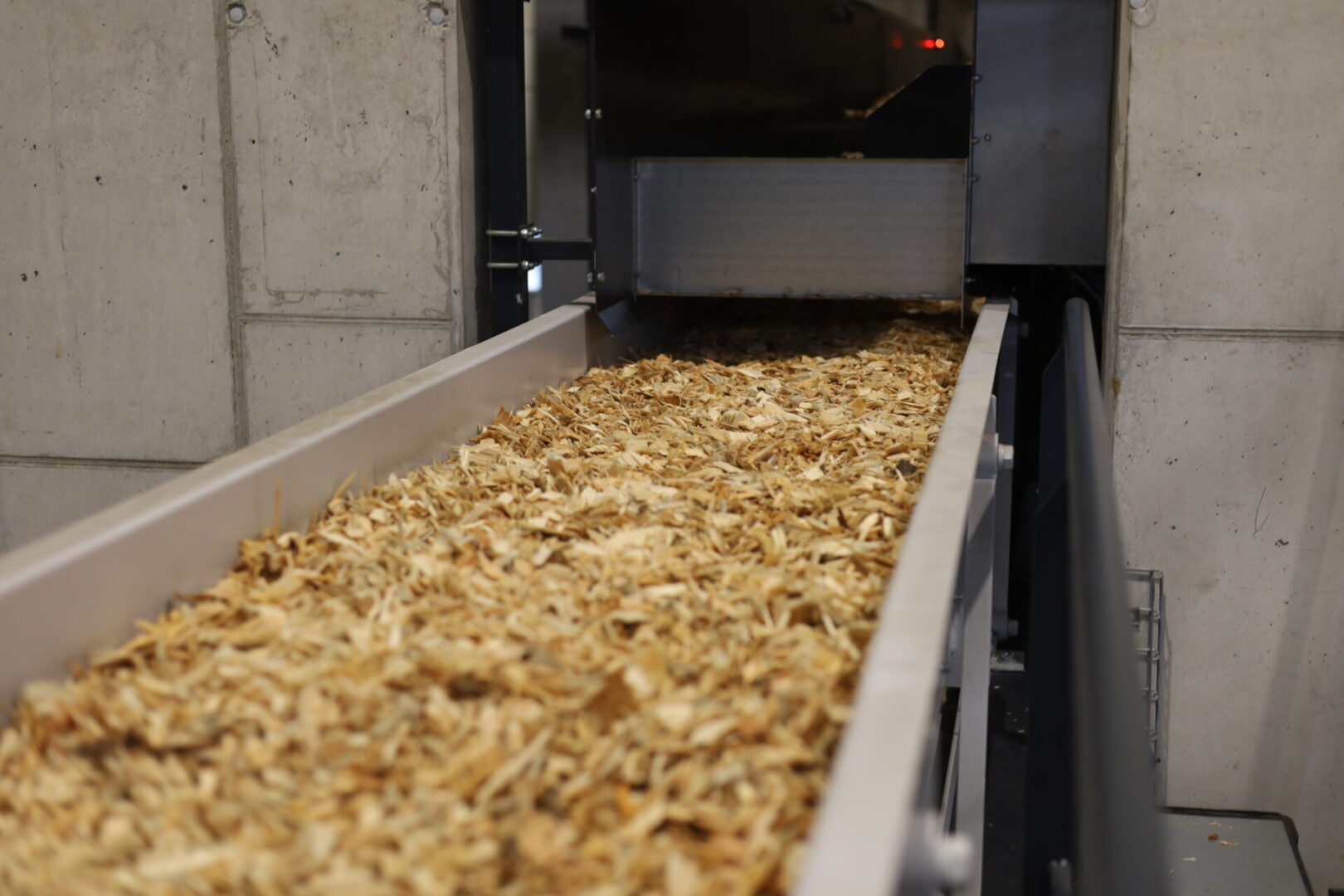
Kekkilä-BVB Wood Fibre production line in Grubbenvorst the Netherlands
More growers are choosing for Wood Fibre in their growing media
At BVB Substrates, we are seeing growing demand for Wood Fibre. This is driven by the increasing focus on sustainability across the horticultural sector, not only among growers but throughout the supply chain. Interest in the use of circular raw materials is also growing among retailers and trading partners. However, growers do not switch to a different growing media mix overnight. That is why BVB Substrates advisers work closely with growers to test and implement mixes containing Wood Fibre.
“Once growers see for themselves that Wood Fibre delivers reliable results in their own cultivation systems, confidence grows naturally. That is exactly what we are seeing today: more and more growers are making the switch.”
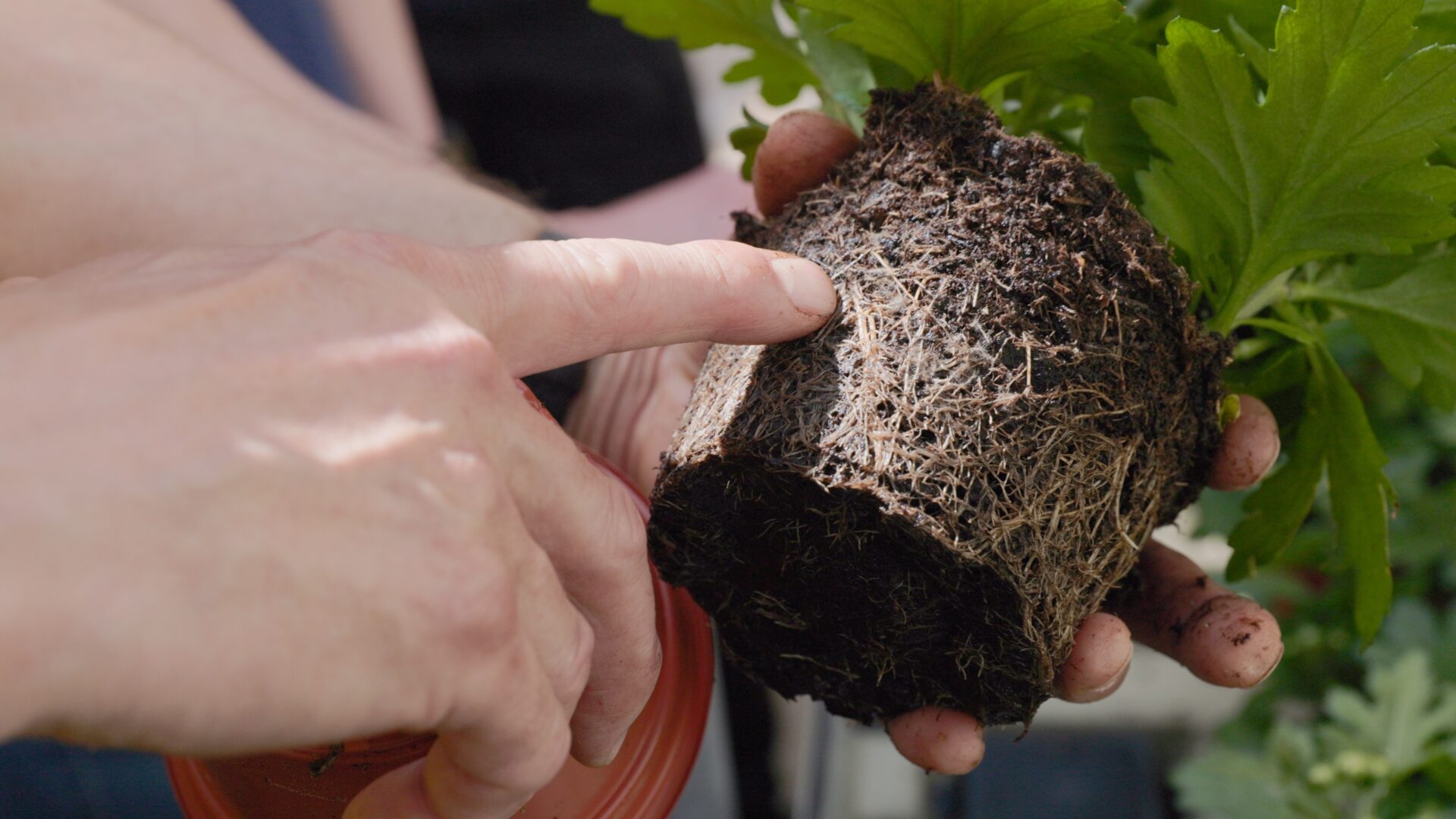
Growing media mix containing Wood Fibre
Alternative Raw Materials
Wood fibre is not the only alternative raw material BVB Substrates is investing in. The company also plays an active role in the development of reed canary grass, sphagnum moss (Accretio) and biochar.
“Our products are made from a blend of different organic raw materials, and growers should always be able to rely on a consistent and stable growing medium. On that basis, we strive to deliver reliable performance while continuing to improve our footprint.”